

Mango is one of the world’s most beloved fruits, and people in the US, Europe, and Australia increasingly enjoy it not just as a sweet, ripe dessert, but also as a tangy raw snack or seasoning. The fruit tastes completely different at each stage of ripeness, and each form offers unique flavors and health benefits. In this article, you’ll learn why you should eat mango in various forms—raw, lightly ripe, and fully ripe—and how to enjoy it in smoothies, chutneys, salads, and desserts.
Raw Mango: Tart, Digestive, and Refreshing
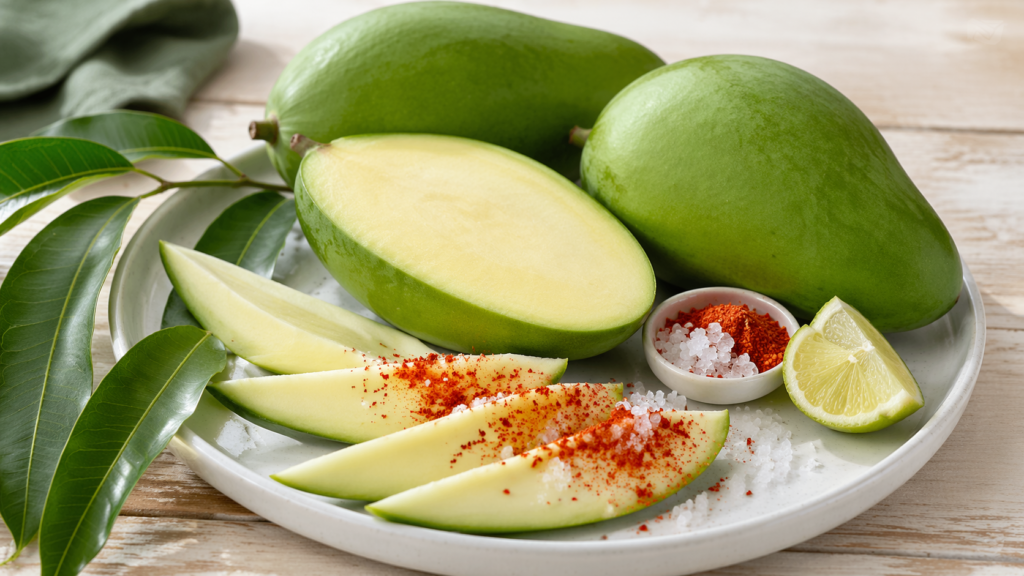
Raw mango (raw mango or “kaccha aam”) is firm, green, and tangy, packed with vitamin C and organic acids that support digestion and immunity. In many Asian countries, raw mango is used in drinks, chutneys, and pickles, and its sharp flavor cuts through rich or oily foods.
- Rich in vitamin C: Raw mango is high in natural vitamin C, which helps protect against infections and keeps skin healthy.
- Supports digestion: Tart fruits like raw mango can stimulate digestive juices and help with indigestion or bloating.
- Low in sugar: Compared to ripe mango, raw mango has less natural sugar, making it lighter on blood glucose.
Easy ways to enjoy raw mango:
- Raw mango juice with salt and a pinch of black pepper
- Raw mango chutney with yogurt or as a dip
- Raw mango slices in salads or tacos for a tangy kick
Ripe Mango: Sweet, Nutritious, and Energy‑Boosting
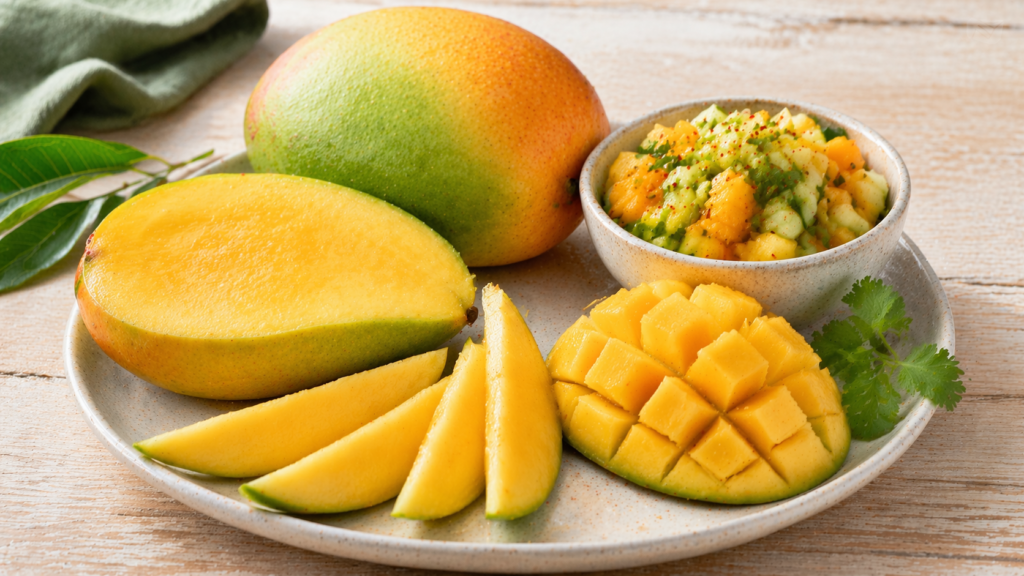
Ripe mango (fully matured mango) is soft, juicy, and sweet, with a rich golden color and floral aroma. Ripe mango is high in natural sugars, fiber, and antioxidants, making it a delicious natural energy booster.
- Energy and stamina: The natural sugars in ripe mango give a quick energy lift, making it great before or after light exercise.
- Healthy gut and bowel movement: Ripe mango contains fiber and natural enzymes that support digestion and regular bowel movements.
- Antioxidants and skin health: Ripe mango is rich in vitamin A and antioxidants that help maintain glowing skin and eye health.
Best ways to enjoy ripe mango:
- As a fresh fruit snack or dessert
- In smoothies, yogurt bowls, or oatmeal
- As mango puree or compote in desserts or dressings

Partially Ripe Mango: The Best of Both Worlds
A mango that is neither fully raw nor fully ripe offers a balanced mix of tartness and sweetness. This stage is popular in many Asian and tropical cuisines because it adds a mild tang without being too sharp.
Uses of partially ripe mango:
- Green mango salad with lime juice, chili, and herbs
- Stir‑fries or seafood dishes for a tangy note
- Smoothies or green juices with cucumber and lemon
Why You Should Eat Mango in All Forms
Each form of mango has its own strengths:
- Raw mango is tangy, low‑sugar, and great for digestion and cooling.
- Partially ripe mango bridges the gap, adding mild tang to savory dishes.
- Ripe mango is sweet, energizing, and rich in vitamins and antioxidants.
By eating mango in various forms, you can:
- Enjoy different flavors and textures in your meals
- Keep sugar intake balanced (using raw or partially ripe in savory dishes)
- Take advantage of vitamin C from raw mango and vitamin A from ripe mango
How to Eat Mango in Different Ways Around the World
In the US, Europe, and Australia, people often eat mango:
- As a fresh fruit in fruit bowls or smoothies
- As mango slices or chunks in yogurt and oatmeal
- As mango chutney or salsa with grilled meats or fish
In India and South Asia, mango appears in:
- Raw mango drinks (“aam panna”) and pickles
- Green mango salads and curries
- Sweet ripe mango desserts, shakes, and lassi
When to Avoid or Limit Mango
While mango is nutritious, a few people should be cautious:
- People with diabetes or blood sugar issues should eat ripe mango in small portions and talk to a doctor or dietitian.
- Raw mango is very sour; people with acidity or stomach ulcers may feel discomfort after eating too much.
- Some people are allergic to mango flesh or skin; if you notice itching or rashes, stop eating it and consult a doctor.
Conclusion: Eat Mango in All Stages
Whether you prefer tangy raw mango, mildly tart partially ripe mango, or sweet ripe mango, there is a form for every taste and health goal. By including mango in different forms in your diet, you can enjoy its flavor, versatility, and natural benefits without relying on processed sweets. So next time you see mango in the market, try it in a smoothie, salad, or chutney to experience its full range of tastes and health support.